
Why might I need an extraction?
At Dr. Mark Dental, tooth extractions are generally considered a last resort because preserving natural teeth whenever possible is an important part of maintaining long-term oral health. However, there are situations when a severely decayed, damaged, or otherwise problematic tooth may cause more harm than good. In these cases, a restorative dentist may recommend an extraction to relieve discomfort, prevent further complications, and protect the surrounding teeth and gums.
Using gentle techniques and local anesthesia, Dr. Mark Dental can safely remove teeth that cannot be effectively restored. An extraction may also be recommended to prepare the mouth for dental implants, a bridge, or another type of tooth replacement designed to restore function and appearance.
If you are experiencing persistent tooth pain or have been told that a tooth may need to be removed, schedule a consultation with Dr. Mark Dental. Contact the practice today to meet with a restorative dentist and discuss the treatment options available for protecting and restoring your smile.
Get To The Root Of The Problem
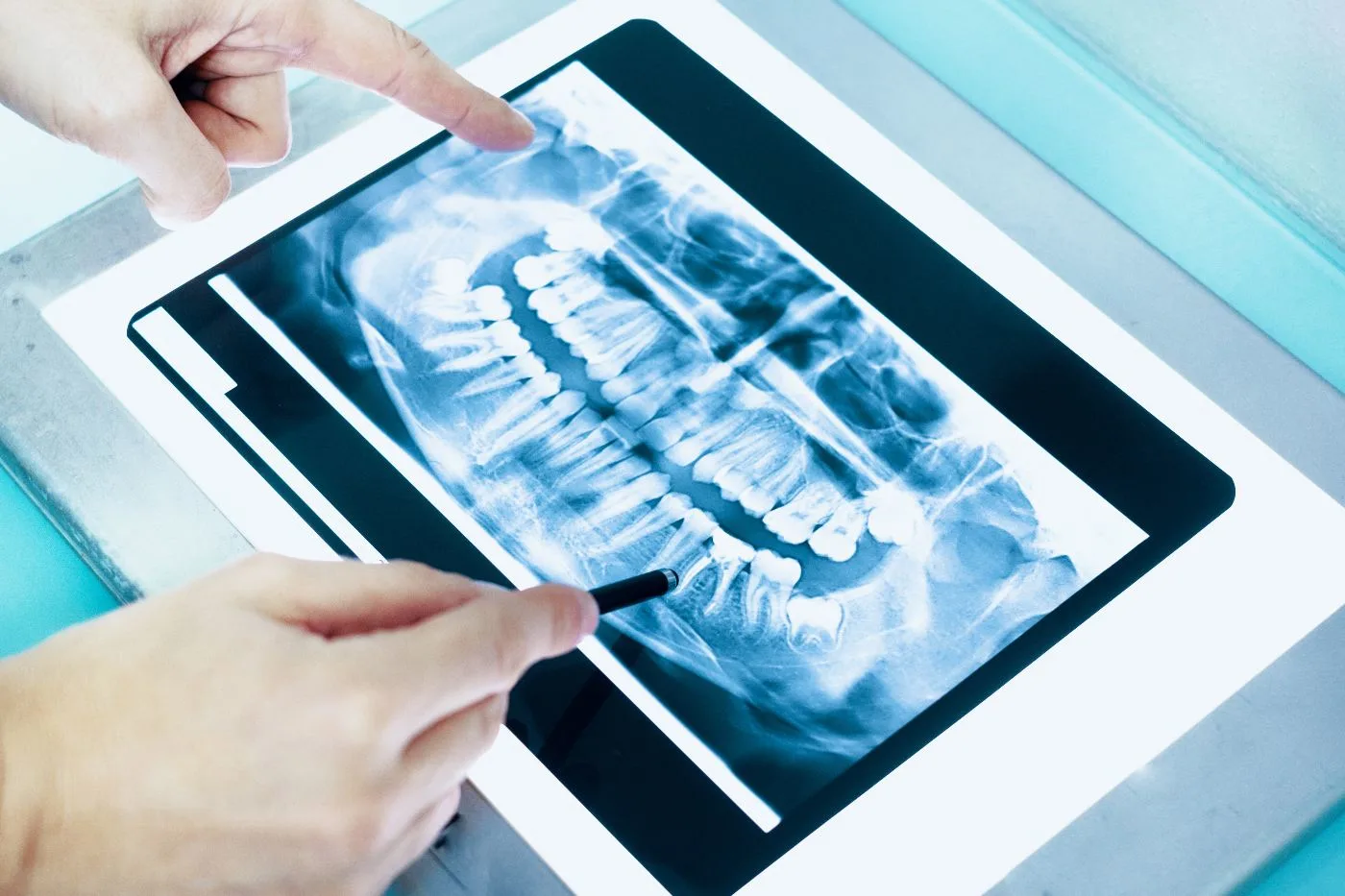
With digital x-rays, we get high-resolution images of your teeth that allow us to make more accurate diagnoses. When you’re in pain or experiencing an emergency, we can see why the tooth is reacting and if an extraction is needed.

Benefits of Extractions
Relieves Pain
If you're dealing with painful wisdom teeth or severe tooth damage, an extraction offers quick relief and restores your comfort.
Treatment Prep
Extractions pave the way for restorative treatments, such as dental implants or dentures, ensuring a strong foundation for long-term dental solutions.
Better Oral Health
Removing damaged or problematic teeth helps protect your oral health, preventing further complications and promoting overall well-being.
The Extraction Process

Treatment Plan
During your consultation, we’ll take digital x-rays to assess the condition of your tooth and the surrounding bone. We’ll explain whether extraction is truly necessary and walk you through any alternatives. If you’re moving forward, we’ll review the number of teeth to be removed, aftercare expectations, and any follow-up recommendations for tooth replacement. We’ll answer every question you have so you feel fully informed and know what to expect.
Procedure Prep
Before we begin, your comfort is our top priority. The area around your tooth will be thoroughly numbed with local anesthesia. Our team will walk you through what to expect and stay by your side throughout the entire visit. You’ll never feel rushed, and we’ll make sure you’re completely at ease before we proceed.

Extraction & Healing
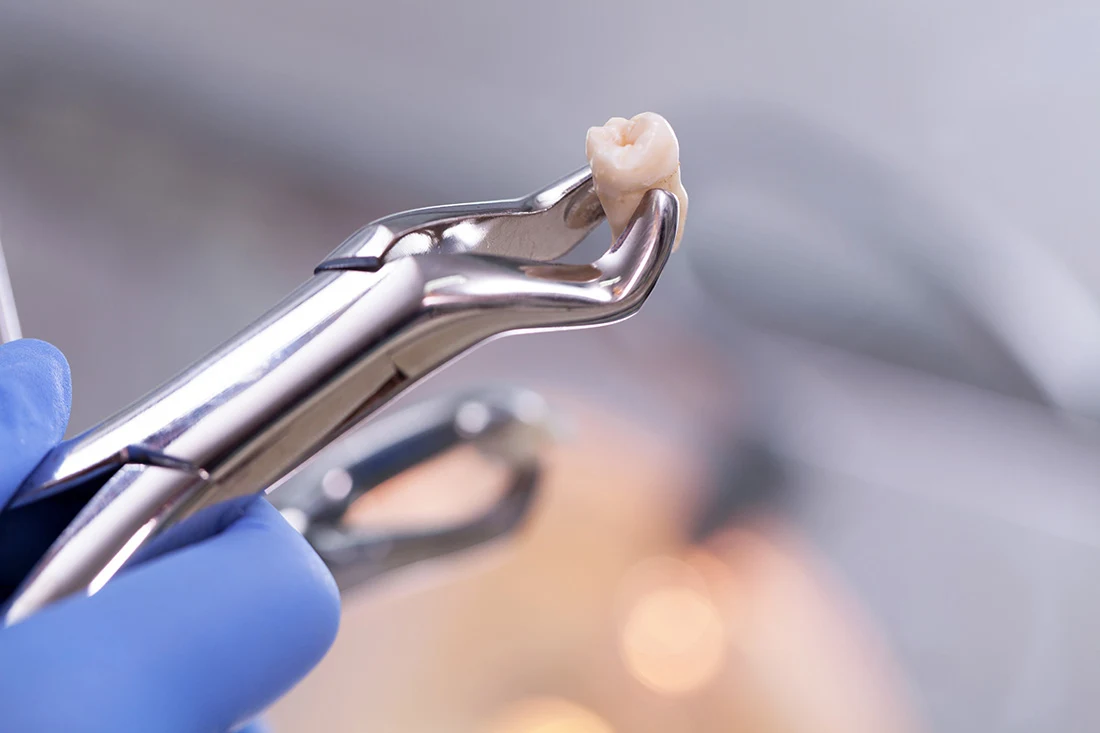
The extraction itself is typically quick— simple extractions typically take only a few minutes once you’re numb and comfortable. We use gentle techniques to minimize trauma to the surrounding tissues. After your tooth is removed, the site will be cleaned and, if needed, closed with sutures. We’ll provide you with detailed aftercare instructions, including tips on diet, hygiene, and how to avoid dry socket. Most patients experience mild discomfort for a couple of days and are back to normal within one to two weeks.
What makes us different
We Extract Wisdom Teeth
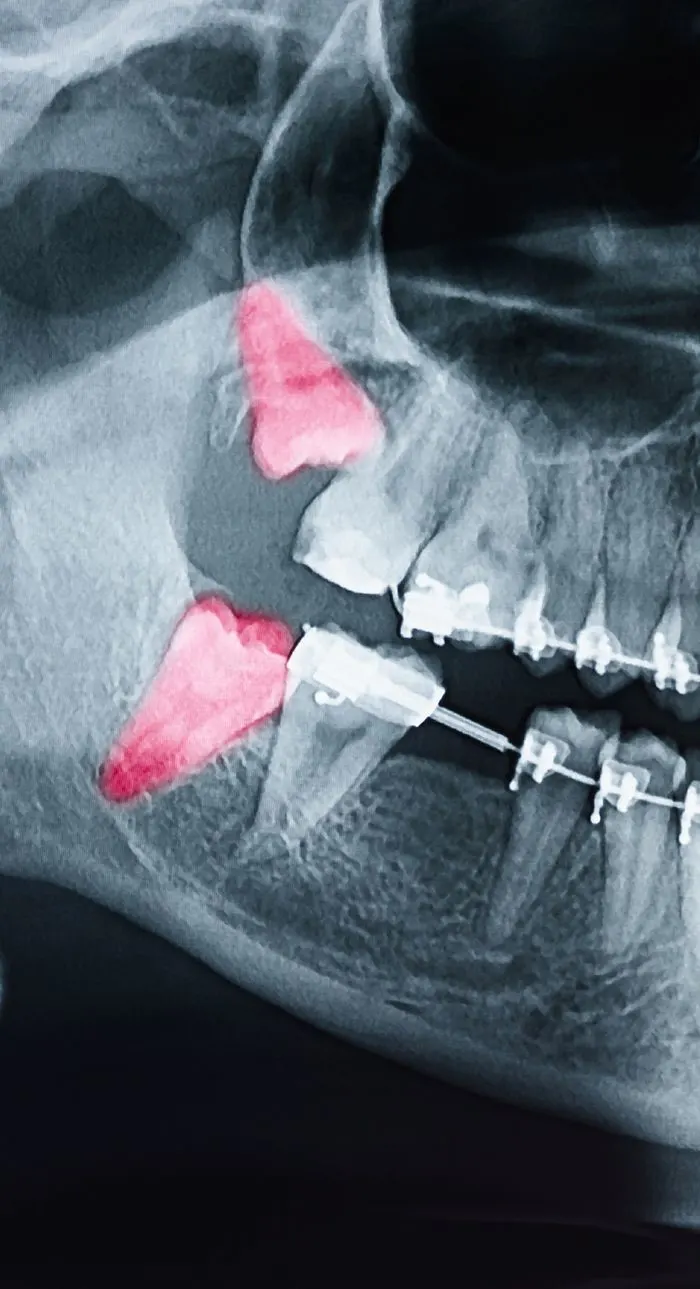
Wisdom teeth can cause headaches, jaw pain, and crowding. We’ll evaluate your situation and walk you through the best plan of action.
Stress-Free Sedation Options Available
If you’re nervous about your procedure, we’ve got your back. Ask us about our sedation options to keep you calm, comfortable, and stress-free from start to finish.

FAQs
Frequently Asked Questions
Check out these frequently asked questions, or call us to speak with our team.
Tooth extractions are typically recommended when a tooth is beyond repair due to severe decay, advanced gum disease, trauma, or infection. Sometimes, a tooth may need to be removed to make room for orthodontic treatment or to prepare for a dental implant or denture.
Wisdom teeth are often extracted if they’re impacted, causing pain, or crowding surrounding teeth. Your dentist will always explore all options before recommending removal, but sometimes extraction is the best way to protect your long-term oral health.
You won’t feel pain during the procedure thanks to local anesthesia. After the numbing wears off, it’s normal to experience mild swelling, soreness, or discomfort in the area. These symptoms are usually most noticeable in the first 48–72 hours and taper off within a week.
You can manage them with over-the-counter pain relievers, cold compresses, rest, and following your doctor’s aftercare instructions. If you experience worsening pain, prolonged bleeding, or signs of infection, contact us right away.
Extractions required for impacted wisdom teeth, or to remove severely damaged or decayed teeth, are typically covered by insurance. To understand the specifics of your coverage, we recommend contacting your insurance provider directly for more details.
Possibly. If the tooth being removed is in an area where you plan to get a dental implant, a ridge preservation graft is often recommended. This helps maintain the shape and volume of your jawbone, preventing future complications and ensuring a better fit for your implant.
We will discuss your options before you begin treatment for more tailored advice.
Delaying a necessary extraction can lead to more serious complications. Infected or decayed teeth can spread bacteria to surrounding teeth, the jawbone, or even into the bloodstream in severe cases. Impacted teeth can cause cysts, damage adjacent teeth, and lead to chronic pain. If your dentist has recommended an extraction, it’s likely to prevent more serious problems down the road.

