

Why should I get a root canal?
A persistent toothache can be more than an inconvenience. In some cases, it may indicate an infection deep within the tooth that requires prompt attention. At Dr. Mark Dental, root canal therapy may be recommended to remove infected tissue, relieve discomfort, and help preserve the natural tooth rather than extracting it.
A restorative dentist can evaluate the source of tooth pain and determine whether root canal treatment is the appropriate solution. Modern dental techniques and technology have made the procedure more comfortable and efficient, allowing patients to address infection while protecting the structure and function of the affected tooth.
If you are dealing with ongoing tooth pain, sensitivity, or other signs of infection, contact Dr. Mark Dental to schedule an evaluation. Meet with a restorative dentist to discuss your symptoms and learn whether root canal therapy can help restore your oral health and comfort.
Digital Imaging
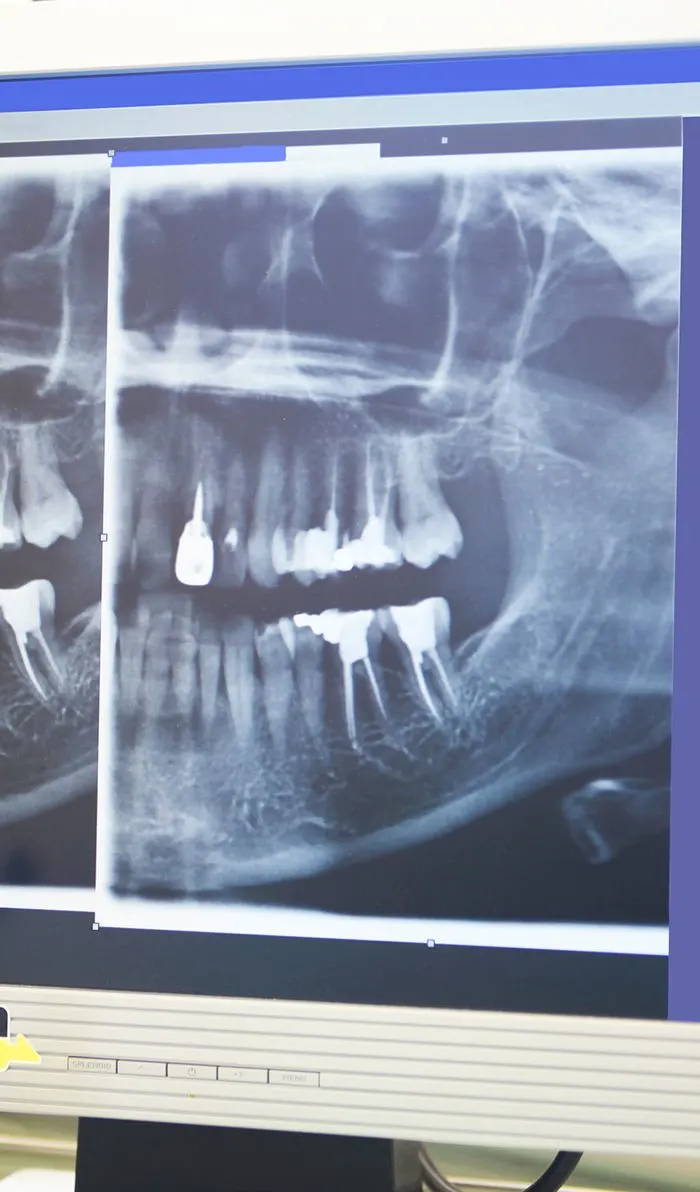
Advanced digital imaging techniques have taken the guesswork out of root canal therapy, resulting in a quicker, more efficient procedure with less pain and discomfort than ever before.
The Benefits of Root Canal Therapy
Say Goodbye to Pain
Root canal therapy is the key to putting an end to that constant toothache. Once the infection is cleared, you’ll immediately feel relief and can get back to enjoying life without the constant discomfort.
Stop Infection Before It Spreads
By choosing root canal therapy, you stop the infection in its tracks and keep it from spreading to other parts of your mouth or body. Preventing the infection from advancing helps protect your overall health.
Save Your Natural Tooth
Instead of opting for tooth extraction, a root canal allows you to keep your natural tooth intact. This prevents the need for more complicated dental procedures down the road.
The Root Canal Treatment Process

Diagnostics & Preparation
Your dentist will start with a thorough exam and x-rays to locate the cause of your discomfort. If an infection is detected, they’ll evaluate its severity to determine whether a root canal is necessary. Once confirmed, the next step is to ensure you’re completely comfortable before proceeding with the treatment.

Removing Decay & Infected Pulp
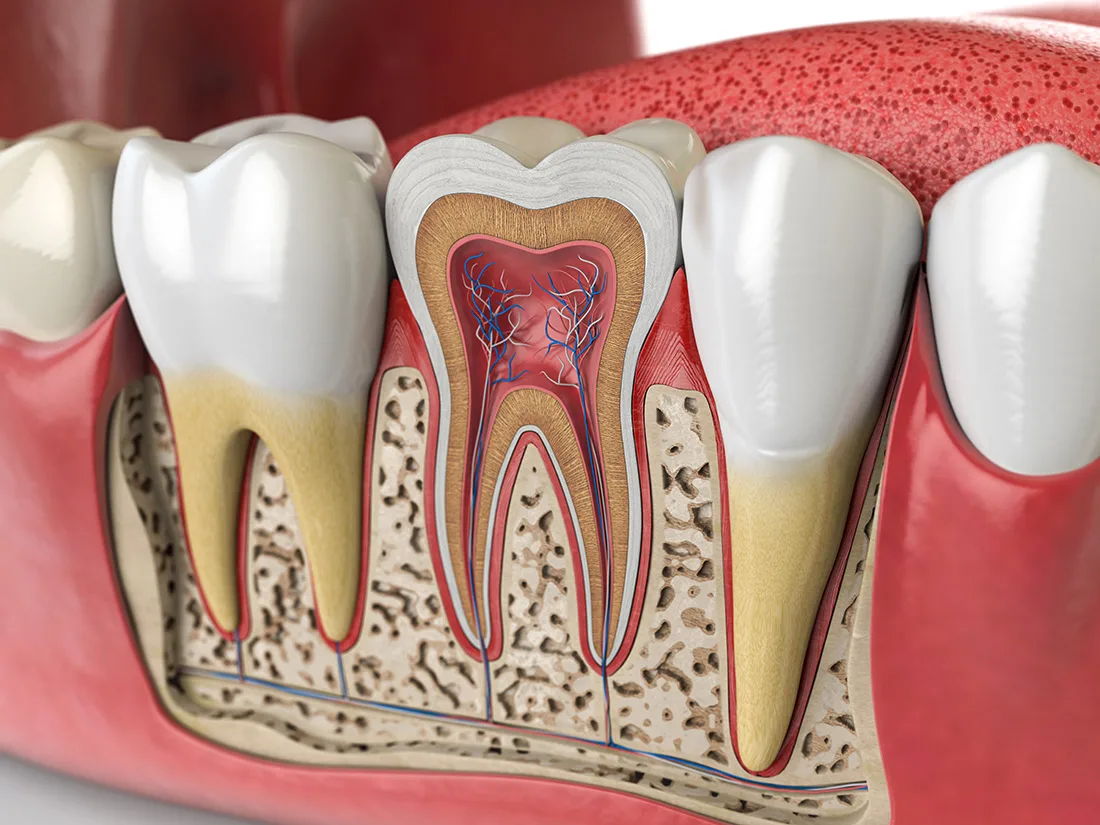
After making sure you're comfortable, your dentist will begin removing any decayed or infected material from inside the tooth. This involves cleaning out the infected pulp and thoroughly disinfecting the inner canals to eliminate any remaining bacteria.

Filling & Sealing
Once your tooth is cleaned and disinfected, your dentist will fill the empty space with a biocompatible material to help support the tooth structure. Depending on the damage to the tooth, they’ll then determine whether a dental crown, inlay, or filling is needed to restore the tooth to its original function.
What makes us different
Sedation Options
For your comfort and peace of mind, we offer a variety of sedation options to ensure your root canal therapy is a pain-free experience.

FAQs
Frequently Asked Questions
Check out these frequently asked questions, or call us to speak with our team.
You may need a root canal if an infection has reached the pulp of your tooth. This infection can be caused by deep cavities, cracks, or trauma. Symptoms include toothaches, swelling around the gums, and sensitivity. Root canal therapy is the most effective way to save your tooth and prevent further damage.
Not at all! Thanks to modern anesthesia and advanced techniques, a root canal is actually a pain-relieving procedure. The treatment is comfortable, and many patients say it’s no more uncomfortable than getting a regular filling.
Although rare, root canal therapy can fail if bacteria are left behind. If this happens, a retreatment will be performed to eliminate any remaining infection and make sure your tooth is properly healed.
While a crown is often recommended to protect the tooth after a root canal, the decision depends on how much healthy tooth structure remains. In some cases, an alternative restoration like a filling may be an option.
Most dental insurance plans cover root canal therapy to some extent. Be sure to check with your provider for specific details on your plan’s coverage.

